Thursday, 19 May 2022

Notmoor ! The last ten days of April in Lesvos


Black-winged Stilt feeding.
Having had to cancel a trip to Lesvos in April 2020 due to the pandemic we finally made it this year between 19th and 29th of April. Previous trips to the island at this time of year have resulted in seeing significant movements of migrant birds and of course the special resident and summer visiting species that the are stars of any birding visit.
Woodchat Shrike

The weather in the Eastern Mediterranean has been a bit unpredictable this year just as it has here, and it has had a significant impact on the pattern of migration.
Glossy Ibis
We did not see migrating birds in the large numbers that we had had on previous occasions. We only saw one Red-footed Falcon, a female, whilst in previous years there had been parties of thirty or forty moving through.
Female Red-footed Falcon

The pools and wetlands beside the entrance to the salt works were dry and there was a much more limited suite of birds to be found there.
Eastern Bonelli's Warbler displaying

We saw only one Montague’s Harrier and no Pallid Harriers on the whole trip, again in stark contrast with previous visits. Ruppell’s Warblers were not present in their regular haunt between Petra and Molivos.

Bee-eaters at the saltpans.

Meladia Valley Little Owl

There have been some changes in places that we have visited in the past, the fords in the Meladia Valley for instance, and they will take some time to re-naturalise and re-vegetate.

Cinerous Bunting Ipsilou Monastery

We still found and enjoyed Cinereous and Cretzchmar’s Buntings, found a pair of Kruper’s Nuthatches at a nest hole and had great views of a displaying and singing Eastern Bonnelli’s Warblers.


Kruper's Nuthatch

One of the highlights for me was three displaying Great Spotted Cuckoos at almost point-blank range,
Great spotted Cuckoo

another was the colony of Great Reed warblers near the ford in the Tsiknias River
Great Redd Warbler

and a displaying Chukar Partridge so pumped up that it ignored us!
Chukar Partridge

Another treat in Lesvos are the Nightingales that seem to be singing everywhere and the amazing abundance of Corn Buntings, almost the default bird in farmland.

Nightingale and Corn Bunting

We saw some great things and of course loved the unspoiled nature of the island and its fabulous wildflowers, olive groves and woodlands. The hospitality and warmth of the islanders was as welcoming as it has always been, the Greek Orthodox celebrations in Skala Kalloni were both spectacular and moving. I am quite certain that I will be going back again another year.

Little Stint and Temminck's Stints side by side

Black-headed Wagtail (Yellow Wag ssp.)

Red throated Pipit

Tawny Pipit

Whinchat 

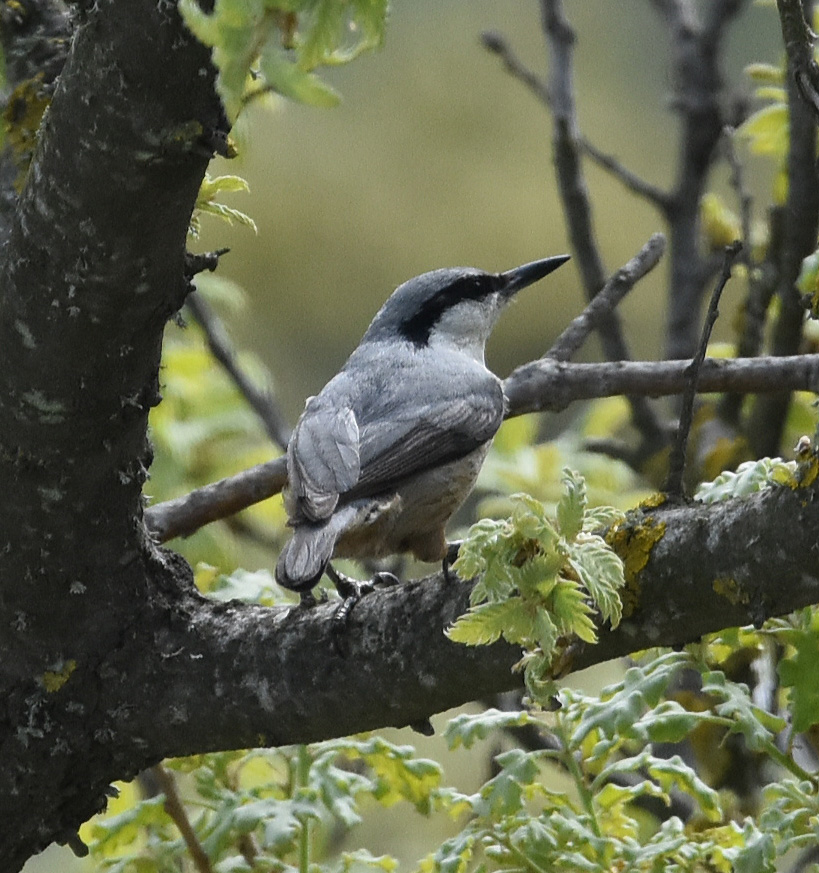
Rock Nuthatch

Spotted Crake

Hoopoe

Thursday, 14 April 2022

End of March and into April

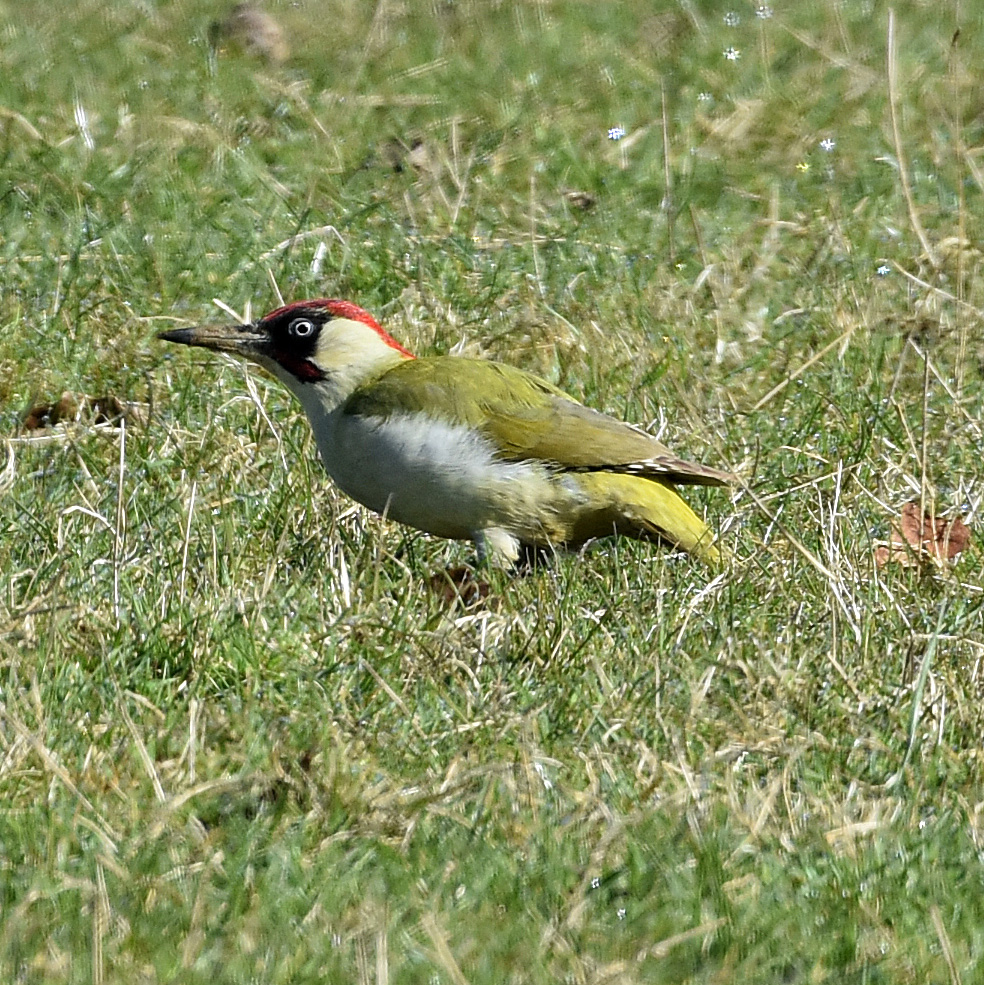
Green Woodpecker on the sheep fields at Noke (c) Bark

The first Willow Warbler has been heard and the first swallow seen. Over the next few weeks, the summer visitors will start to flood in. Some of them will be using the moor as a staging post on their way further north and west , others will remain here to breed. Already the Lapwings, Redshanks and Snipe are calling, courting, mating and sitting on eggs.


Early morning Curlew flyover (c) Bark

Both on and off the reserve Curlew are present in significant numbers and are filling the soundscape with their wild evocative calls.

Big Otmoor is attracting passage waders with up to seventeen Ruff being recorded. They are predominantly males recognised by their markedly larger size and very varied plumage colours. There was one bird we saw last weekend that was so white we had initially thought it was a gull! There have been both ringed and Little ringed Plovers scuttling about on the drying mud and almost disappearing when they have been standing still.

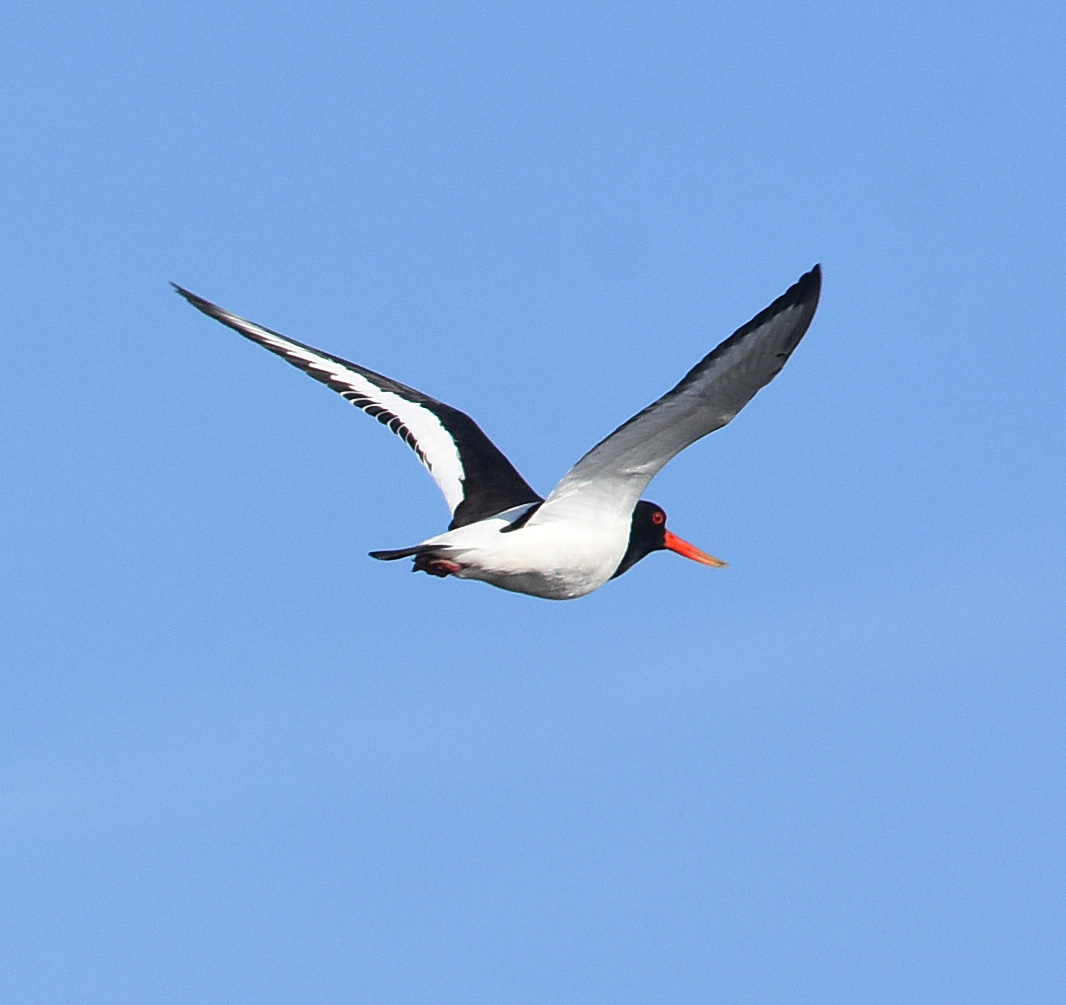
Oystercatcher Big Otmoor (c) Bark

Varying numbers of Dunlin have been stopping over with numbers often in double figures. A small flock of about twelve Golden Plovers are still out in the middle, all of them now having moulted into their striking summer plumage, their number a far cry from the thousands that were here just five or six weeks ago.
Meadow Pipit (c) Bark

There are certainly two, probably three and perhaps as many as four booming Bitterns across the moor. It is very difficult to be certain about precise locations as one has to hear them calling simultaneously, however once booming they tend to become very sedentary. The bird that has been calling out on Greenaways was seen to be displaying to a female on one evening last week. It was stalking around behind her and fluffing out its feathers.

Cetti's Warbler (c) Bark

There is another individual booming on Ashgrave up towards the Noke turn and last weekend a lot of booming was coming from the middle of the northern reedbed. Once the males have attracted a partner and mated, the rest of the nesting and rearing of the young is undertaken entirely by the females.

Geese are sitting all over the reserve, but we are still to see any of the hundreds of goslings that will hatch over the coming weeks.


Pochard Passion (c) Bark

Wildfowl are displaying, courting and mating, the latter part of the process often resulting in a near drowning for the female part of the pair!

Above Great Crested Grebe (c) Tom N-L  and below Little Grebe (c) Bark

There are still some Wigeon grazing out beside the pools and significantly there are still a few Pintail present. We think they bred on the moor last year for the second season running and hope that it will happen again this year.

Garganey pair Big Otmoor (c) Bark

Garganey are back and are displaying. Last summer we were sure that two pairs bred successfully and hope that this year they will succeed once again.


Marsh Harrier Greenaways (c) Bark

All three Egret species have been reported, although there has just been one Cattle Egret seen. They are present regularly on the Cherwell just a few miles away and once we have livestock back out on the fields again, the moor will look more attractive for them.

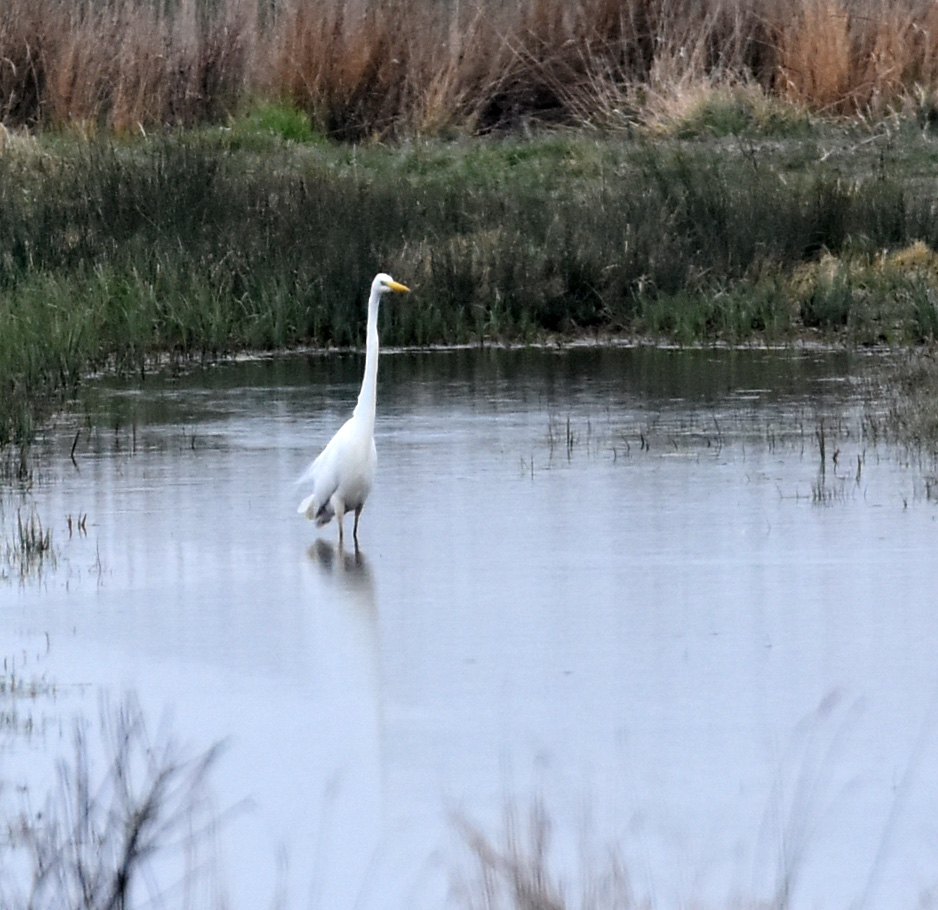
Great White Egret Greenaways (c) Bark

Two Great White Egrets have been seen regularly on and around the reserve. We currently host five or six pairs of Grey Herons that nest in the reedbed and speculate that maybe this will encourage the Great whites to become the next Otmoor breeding species.


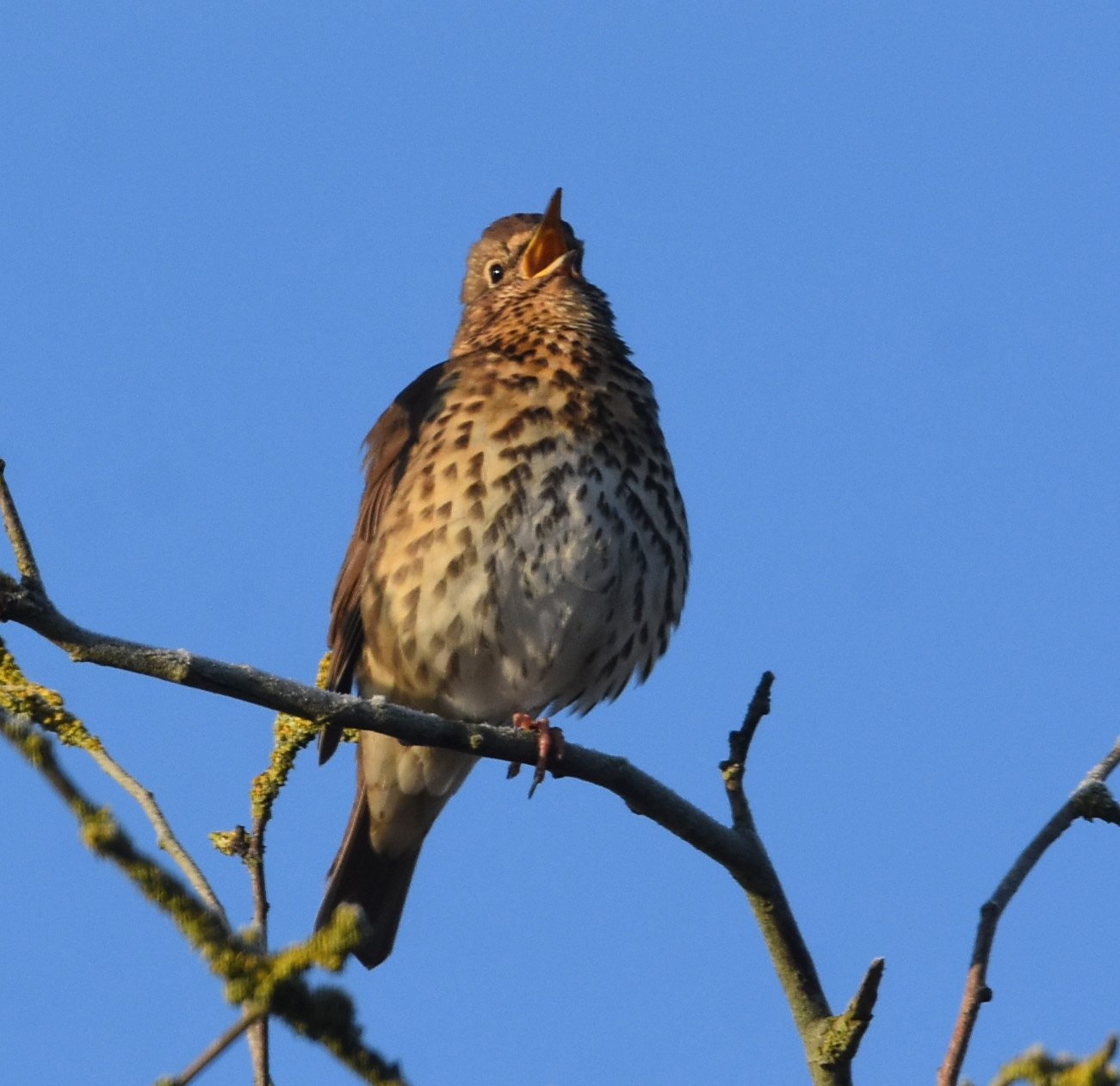
Singing Song Thrush (c) Bark

Over the last few weeks each morning as I have arrived there has been a Song Thrush belting out its repetitive song in the early morning sunshine. In the trees and hedgerows Chiffchaffs are continuously feeding whilst giving their onomatopoeic songs.
Chiffchaff (c) Tom N-L

By the end of this month most of the regular summer visitors will have arrived and will be singing and breeding flat out. It will be very interesting to see whether Turtle Doves manage to return, they were barely present for more than a couple of days last summer. Might we find that we are exchanging Turtle Dove for Cattle Egret as a breeding species?
Common Lizard by first screen (c) Bark

Monday, 21 March 2022

End of February and well into March

Singing Dunnock (c) Bark

An overseas trip has rather blunted my intention to post bi-weekly this year. Change is happening rapidly on the moor as we move into spring. The weather has been wet but generally mild and frequently sunny. 
Male Brambling one of four birds by the hide (c) Bark

Water bodies across the moor are now very much at optimal levels and the lagoons in front of the screens are looking very full. This water will be drawn down onto Greenaways and Big Otmoor as we move into summer, and it will help to keep the main breeding areas for our waders wet for longer.
Redshank on Ashgrave (c) Tom N-L

The first Coltsfoot is starting to flower along the side of the bridleway and Bumblebees and Brimstones are on the wing. Pussy Willow is dusted with sulphur coloured pollen and is attracting lots of insects.


Blackthord and pussy willow with Bumble Bee (c) Bark

Chiffchaffs are pumping out their monotonous onomatopoeic songs, Cetti’s Warblers are setting up territories and are much easier to see while there are fewer leaves in the hedgerows.
Song Thrush in early morning sunshine (c) Bark

Song Thrushes, Chaffinches and Reed Buntings are all singing and pairing up. Great Spotted Woodpeckers are drumming from Roman Road and we found at least five in the same vicinity drumming, calling and presumably competing for nest sites.
Cetti's Warbler at the second screen (c) Bark

The ”hotspot” on the reserve shifts with the seasons and Big Otmoor and The Closes are currently the prime places to spend time scanning and searching. Golden Plovers are at their highest numbers and there are several flocks of over a thousand with one that must number over three thousand.

Goldies en masse (c) Bark

It is difficult to separate them, but we noticed that one of the flocks appears to contain more individuals that are moulting into summer plumage than the others. Perhaps just coincidental or a group from a different breeding location? The Plovers are very restless and jittery, flushing en masse at the slightest threat. They are also very vocal, keeping up a continual chattering when on the ground and making alarm calls when they flush.
Goldies with Lapwing and one Dunlin (c) Bark

They flicker gold and white as they wheel and bank, sparkling in the sunshine, flying in tight formations when threatened and forming loose chevrons as they descend once again.
Goldies (c) Bark

There have been up to thirty Dunlin feeding around and amongst the Golden Plovers on both big Otmoor and Closes they are less flighty and settle more rapidly if they have been alarmed. Redshank are calling and displaying across the whole site as are Lapwings.

Displaying Lapwing (c) Bark

The first Lapwing nests with eggs are usually found towards the middle of March. On a survey earlier this week, we watched Curlews doing their distinctive display flight, where they fly up with shivering wings and almost stall before gliding down and then flying upwards again. The whole display flight is of course accompanied by their distinctive and evocative curlew call, that for the next few months will be one of the signature defining sounds of Otmoor.
Curlew (c) Nick Truby

Once again there are two pairs of Common Cranes on and around the moor. The pair that successfully reared a youngster last year have returned alone, and both pairs are keeping well away from each other. One pair can sometimes be seen feeding on the northern side of Greenaways or from the second screen on the reedbed bund. For very large birds they can remain out of sight for considerable lengths of time!

Marsh Harrier over the reedbed (c) Bark

Marsh Harriers are displaying over the reedbed and this year again there appear to be two females with a lone male in attendance.
Hen Harrier (c) Bark

The Hen-harrier is still being seen but unpredictably and sporadically now that the Starling roost has dispersed. A Barn Owl has been seen out and about in the early evening and early mornings.


Barn owl (c) Nick Truby

This crepuscular behaviour is much more likely when there has been steady rain overnight, making night time hunting more difficult. Tawny Owls have been heard calling in the Roman Road and there is still at least one Short-eared Owl present in the wider Otmoor area.

Short-eared Owl (c) Bark

There is a lot of courtship and breeding activity from the wildfowl. Although Wigeon do not breed on the moor they display and pair up whilst here and drakes can be seen displaying to females.

Pochard showing his ruby red eye (c) Nick Truby

The Pochard that are one of our breeding species are very busy in their courtship rituals the males showing a bright ruby-red eye. “Luke” seems to have moved away as we have not seen him for some weeks. An early visit from a pair of Garganey for one day, was probably a pair that was moving through rather than one of our breeding pairs.
One of six Oystercatchers present (c) Bark

Male Bitterns are starting to tune up their booming with a series of practice grunts and croaks but are not yet into their full-on booming calls, that carry across the moor during the spring.


Stupidly tame Pheasant and ridiculously confiding  Munjac (c) Bark

During the next few weeks migrants will start to arrive in greater numbers and the Redwings that are currently feeding in the fields will depart for the north and east. It is a very exciting time of year and it is always good to hear a new or different species adding its voce to the Otmoor soundscape.

Grass Snakes are showing along the bridleway. (c) JR