Monday, 7 February 2022

All through January and into February

Common Snipe second screen. (c) Bark

This is often the darkest, coldest and least attractive month. This year it has been dryer, sunnier and slightly warmer than usual.
Wren beside the second screen (c) Bark

The dryness is of some concern to the reserve as during these wet winter months we store water in the reedbed and lagoons. It is then released slowly to keep the fields wetted up for the benefit of breeding waders during the spring and early summer. The reedbed has been cut as part of its annual management and the views from the first screen have been widened and more pools have been opened up to sight.


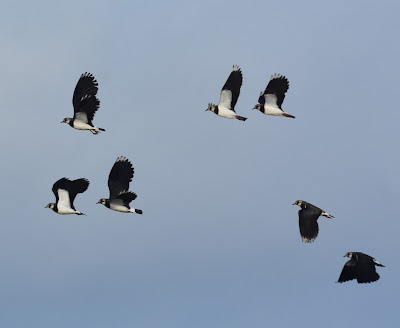
The numbers of both Lapwings and Golden Plovers have steadily built up during the month and once again flocks in their thousands are flushing up from the fields in response to threats both real and imagined.

Lapwing over the screens (c) Bark

The flocks are difficult to count and often the Golden Plovers fly much higher than the Lapwings and are barely visible to the naked eye. It may well be that the Dotterel that was found on the last day of 2021 is still attached to one or other of the Golden Plover flocks but to find and identify we need to see them on the ground, and they are very flighty and often a long way out on the fields.
Water Rail in the ditch beside the bridleway (c) Bark

The flocks are being flushed in response to the number of raptors that are currently  present across the moor. There have been three Peregrines, a ring-tailed Hen Harrier and our regular three Marsh Harriers.

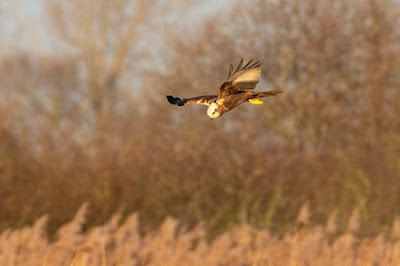
Marsh Harrier (c) JR

There has also been Kestrels, Buzzards, Sparrowhawks and very irregular and unpredictable visits from a Merlin. Seen most recently yesterday (Sunday 6th Feb.) perched on a post near to the hide. I have also had a report of two Short-eared Owls, hunting across the MOD fields in the late afternoon.

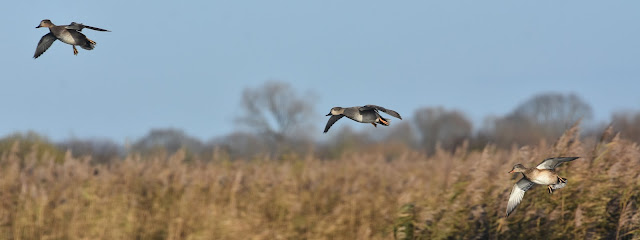
Commuting wildfowl (c) Bark

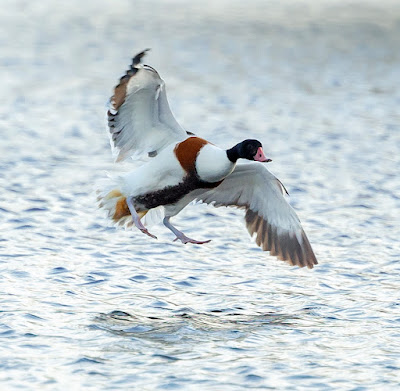
Wildfowl are commuting between the reedbed Lagoons and water bodies on Ashgrave, Big Otmoor and The Flood. Wigeon are feeding out on grassy areas adjacent to pools into which they can retreat if they sense danger. At least one Shelduck is present as it has been since January 1st. Occasional small parties of  Pintail are being seen with them spending most of their time on big Otmoor and The Flood.


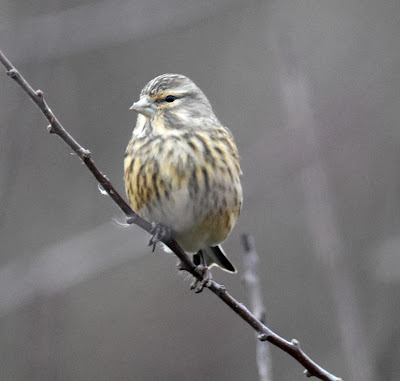
Yellowhammer and Linnet (c) Bark

The feeding regime beside the hide is proving to be very beneficial to seed eating birds now that supplies of natural food in the wild is mostly exhausted. The essential small seeds that used to be abundant in field margins and stubble fields no longer exist, as a result of modern farming practices. Fresh seeds will not reappear until early summer once the weedy plants have flowered and set seed.

Brambling and Chaffinch (c) Bark

There is quite a large flock of Linnets, Chaffinches and Reed Buntings present and this weekend there were ten Yellowhammers amongst them, Goldfinches, two Bullfinches and one female Brambling. There had been a report of four Bramblings earlier in the week.

Redpoll beside the bridleway (c) Bark

The weather has remained warmer than usual and there are the first signs of spring beginning to appear it gives me a lift to see the Snowdrops in flower in the car park field.


The days are just beginning to get longer and the very first of our breeding waders are starting to appear. Last week a Redshank was seen out on Big Otmoor, and we heard one calling on Saturday morning. Two Curlew were on the MOD ground on Friday perhaps a week or so earlier than we would normally expect them, although one did appear last year at the beginning of January.

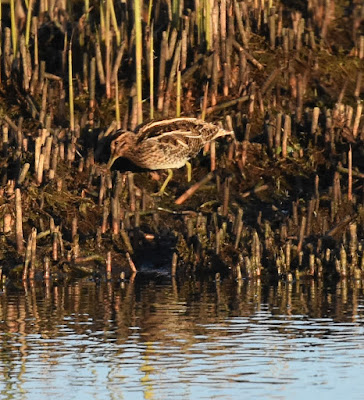
Common Snipe at the first screen (c) Bark

On Saturday we counted over fifty Common Snipe from the northern and southern lagoon margins. On both days this weekend and last weekend  at the second screen, there was one particular bird hunkered down in a tiny inlet just in front of us at the water’s edge.


Super-close Snipe (c) Bark

It was very close indeed and yet somehow seemed to be able to appear and disappear at will!
Super-close closeup. (c) Darrell Woods

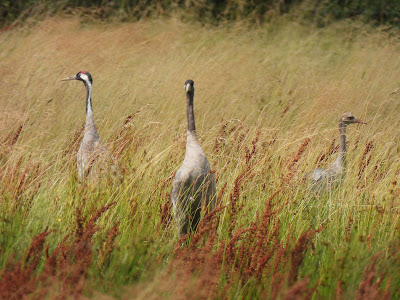
We are looking out now for the return of the Cranes from Somerset where they have been over-wintering. It will be fascinating to see if they bring their youngster with them, as we expect them to do. They will then probably try to push it away as they set about nesting again. In spring last year, we had five Cranes on and around the moor. Although only one pair attempted to breed, we understand from the experts that there should be enough space to accommodate at least three breeding territories in the Otmoor basin.


Close encounter of the vulpine kind (c) Bark

Friday, 14 January 2022

December 2021 Yearly round up and into 2022

January 1st Shelduck (c) JR

December has been unseasonably mild, and as I write this the temperature outside is around 16 degrees Centigrade or sixty-one Fahrenheit in old money! The weather may cool a little as we move into the New Year but will still remain warmer than average. Rainfall has increased slowly, and lying water is more noticeable across the moor, both on and off the reserve. The reserve hydrology system relies on storing water in the reedbed reservoirs, that can then be gradually released to keep the main grasslands wetter for longer in a dry spring.
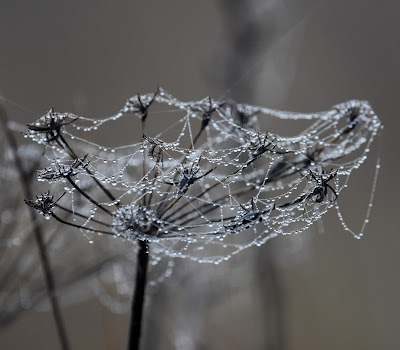
Dew drenched cobwebs. (c) Bark

Over the past month Golden Plover and Lapwing numbers have finally started to rise, although they are still well below the large numbers that we expect in February and early March.

Lapwings over the first screen (c) Bark

Wildfowl numbers too have increased steadily and Wigeon flocks are scattered across the site often grazing a short distance from open water to which they can return rapidly if threatened. There are large numbers of Teal out on the Closes, which is wetting up nicely.
Loafing Shovellers (c) Bark

At the first screen a Jack Snipe is being seen fairly frequently feeding amongst the Common Snipe that spend so much time on the island with its covering of reed stubble. It is only visible when it is on the nearest edge, and no sooner had we found it last weekend than it flew to the other side of the spit and disappeared completely.

Courting Gadwall (c) Bark

The winter finch feeding programme is now fully underway and is already attracting good numbers of birds down to the seeds. So far, we have not managed to draw in any of the Bramblings that seem widespread in the county this winter, however a Brambling was seen in Otmoor Lane on Sunday and so they are not so far away!


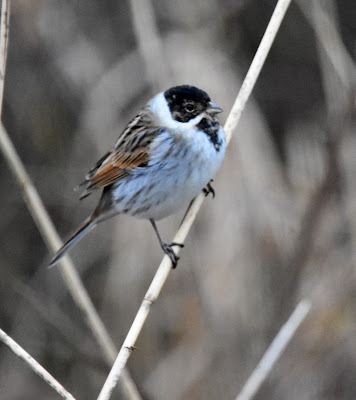
Linnet and Reed Bunting (c) Bark

Chaffinches, Reed Buntings and Linnets make up the bulk of the flocks, with a  scattering of Goldfinches, Bullfinches and Yellowhammers.

The Starling roost is still happening in the reedbed at dusk, but in the depths of winter when nights are at their longest and coldest, the birds are less likely to undertake elaborate murmuration displays.

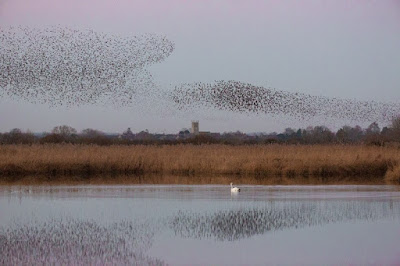
Murmuration from the first screen (c) Tom N-L

There are still over one hundred thousand coming in to roost every night but there is not always a coherent display, nor do they all seem to roost in the same area. As is customary during the mid-winter holidays, the Starling roost and murmuration is proving to be a popular early evening trip, especially for families that have been cooped up indoors.
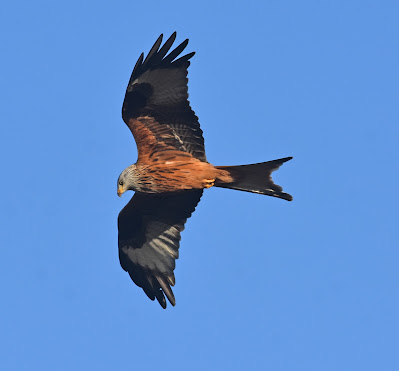
Red Kite on patrol looking for sick or injured Starlings (c) Bark

The consequence of this popularity is extreme congestion on Otmoor Lane, in Beckley and in the car park. As far as possible one should car-share, arrive early and avoid key holiday dates. I would also urge people to be patient with each other, be tolerant and kind. Sadly, this has not always been the case this winter! I would also like to emphasise that dogs should not be taken beyond the bridleway and out to the reedbed. It may seem strict, but the signs are clear, and it is a very sensitive habitat.
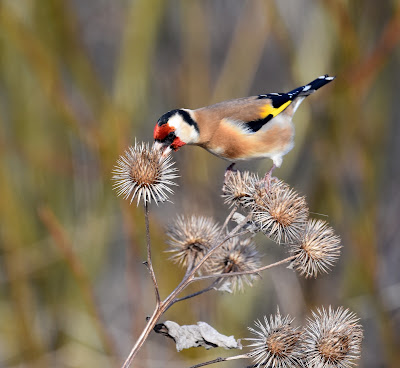
Goldfinch on Burr (c) Bark

The Starlings and the rising numbers of Waterfowl, Lapwings and Golden plovers are once again attracting all of the regular winter raptors with a pair of Peregrines once again using the dead oak on Noke sides as a watchpoint. A ring-tailed Hen Harrier is being seen daily and not always at Starling roost time; it is frequently observed hunting them as they emerge from the roost at dawn.

Marsh Harrier Tom N-L

On the very last day of 2021 a Dotterel was found out among the Golden Plovers on The Closes. It is almost certainly the same bird that was seen in the company of Goldies out on Port Meadow earlier in December. It is the first ever recorded on Otmoor and brought the year-list to an extraordinary one hundred and sixty-nine species, a record breaker. Incidentally, the Dotterel and the Red-breasted Geese have rendered “The Birds of Otmoor” in need of revision!

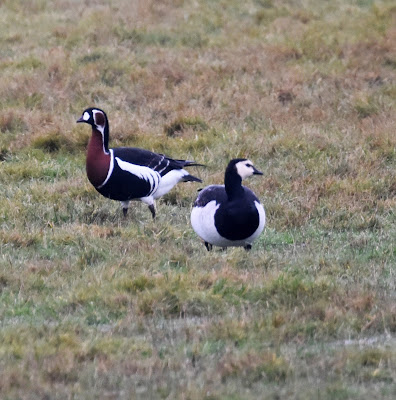
Red breasted Goose and Barnacle on Noke Sides (c) Bark

It has been a very eventful year on the moor with exciting species being found, scarcer species breeding successfully and birds that would once have been sought after rarities becoming more commonplace.

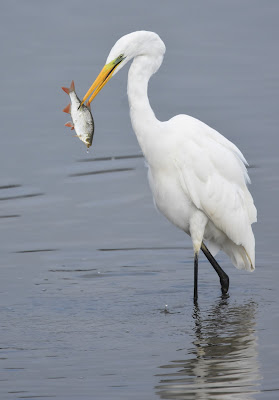
Great White Egret (c) Bark

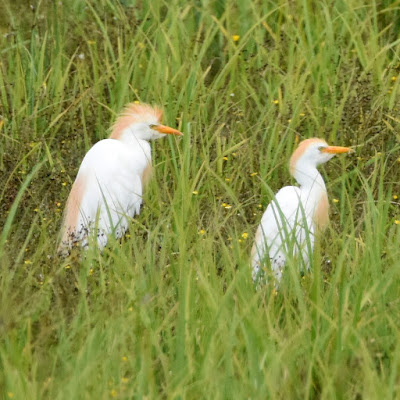
It was very special to be able to see all three regular Egret species at the same time in the same place, namely the first screen.
Cattle egrets c) Bark

It has been very exciting and challenging to have a Lesser Spotted Woodpecker an Oxfordshire rarity, appearing from time to time this autumn, although frustrating for those of us yet to connect with it. It was last seen on 19th December on the MOD land.

The reed stubble and islands out on the southern lagoon have attracted a good number of autumn passage waders and still hosts a large number of Common Snipe and at least one much more elusive but visible Jack Snipe.

Common Snipe (c) Bark

Waders were also seen during the spring passage out on the flooded areas of Big Otmoor.

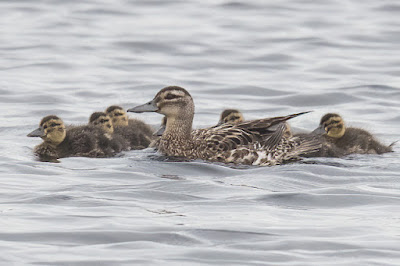
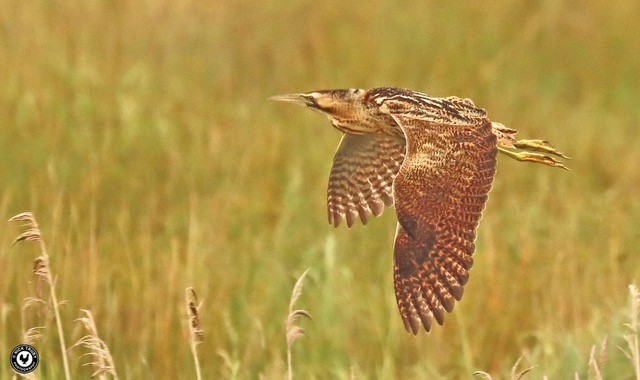
Breeding successes include at least two broods of Garganey on both the north and south lagoons respectively, the strong likelihood that Pintail bred again this year after breeding for the first time in 2020. Out in the reedbed and in the smaller isolated reed stands three separate Bittern nests were seen to raise chicks, while six Marsh Harriers were fledged from two different nests.

Garganey and ducklings

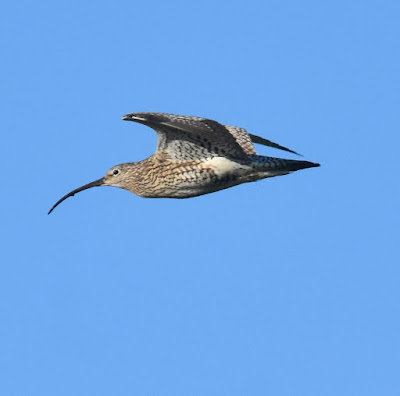
Curlew have been very successful this year nesting beyond the reserve in the wider Otmoor basin. The weather being wet for a longer time than usual was a significant factor, but in addition the RSPB set electric fences up around the nests as soon as they were found, which effectively deterred mammalian predation at the egg stage.

Curlew over MOD (c) Bark

Three of the fledged Curlew were captured and ringed, they were also fitted with flappers that were readable at a distance. This resulted in one of “our” birds being reported from the west coast of Ireland just days after it had left the moor.

Cranes and young shortly before they left (c) Fergus Mosey

The greatest breeding success however has to be the Common Cranes. After six years of close calls and disappointments our “second” pair of Cranes managed to raise a chick to the stage where it could fly. They departed with the chick and were reported back on the Somerset Levels with the youngster in tow several days later.

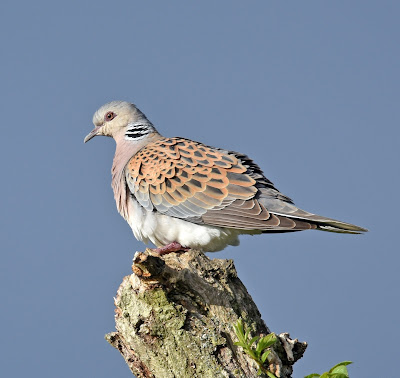
On the downside there were just two reports of Turtle Dove, both on the same day and from two different observers, suggesting a bird on passage.

Hopefully they might be back this year (c) Bark

For so many years they have been part of the summer soundscape on Otmoor and one of its highlights. Nationally They have been declining in numbers and have shown little evidence in recent years of breeding success. We have surmised that the cold and wet spring at the crucial migration time may just have influenced them to stop heading north before they made it this far, but that may just be wishful thinking. On a more positive note, a Nightingale was heard singing briefly on the far side of the moor and not far from where they last bred. Later we heard that a pair had bred successfully, not too far away on some inaccessible MOD land near Ambrosden, perhaps they might be making a comeback to the area.
Bitterns bred again successfully (c) Nick Truby

Despite the disappointment with the Turtle Doves there is a great deal to look forward to in the coming year and indeed in the years to come. The RSPB has raised the necessary finance to buy the new extra piece of land, close to Maltpit, and watching how that develops and becomes a haven for wildlife, will be an ongoing pleasure.

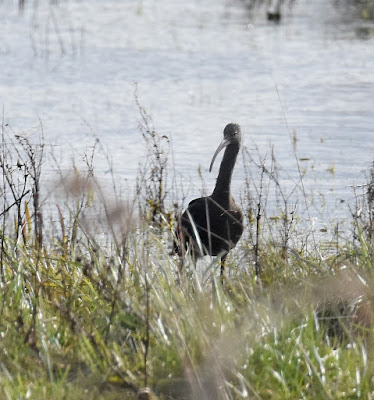
Glossy Ibis (c) JR

My thanks as always to the full-time staff and volunteers for their unstinting efforts, that make and keep Otmoor the richest and finest Nature reserve in central England.

Redwing guzzling Sloes (c) Bark

Tuesday, 7 December 2021

November and into December


Red-breasted Geese (c) Bark

November was for the most part an unseasonably mild month until close to its end. I have only had to clear the windscreen on my car on two of my morning visits to the moor, which is remarkable for this time in the year! Only the last couple of visits have required gloves, hats and proper winter gear.

The Frost Moon

For a while the seasons seemed to pause with very little changing, but the first proper winter storm at the end of the month has pushed things along.

Wren (c) JR

This time last year Otmoor was largely flooded, due to an excessively wet autumn but water levels across the reserve have only been creeping up slowly, both on the reedbed and across the scrapes in the fields.
Grey Heron (c) JR

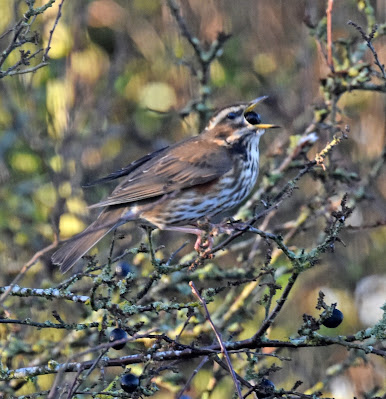
Winter thrushes arrived almost a month late and only now are the hedges beginning to look bare of berries, whereas last year they were stripped by the end of October. Redwings seem to be the predominant species now and are quieter than their noisy chuckling cousins the Fieldfares.


Redwings    above (c) JR   and below(c) Bark

There also appears to have been an influx of Blackbirds during the last couple of weeks they are much more noticeable now in and around the paths and bridleways.

Even Blue Tits eat Haws

There are mixed roving tit flocks moving through the hedgerows and taking advantage of the feeders in the car-park field. We are about to start the winter-feeding programme for Finches in earnest from next week.
Linnets (c) Bark

Already there are good numbers of birds coming down to the limited seed we have been spreading to start things off. They are mostly Chaffinches, Reed Buntings, Goldfinches and Linnets at present but as the weeks progress, I am sure that we  will draw in Yellowhammers, Bullfinches and any passing or over-wintering Bramblings.


Reed Bunting, Chaffinch and Dunnock (c) Bark

If we are really lucky, we might attract one of the rarer Bunting species.

In mid-month two Red-breasted Geese were spotted out amid the feral goose flock. They were keeping very close company with a small party of four Barnacle Geese. They arrived two days later than two other Red-breasted Geese had arrived on the Essex coast.

It is possible to see just how small they are beside a Greylag (c) Bark

We have no way of ascertaining where the birds originated unless a feather could be obtained for radio isotope analysis, a very unlikely possibility. All we can say with certainty is that the birds are not ringed and are full feathered, whatever their provenance they are very beautiful birds.
With Canadas (c) Bark

They are very small and frequently disappear when feeding amongst the much larger Canada and Greylag Geese. They get lost to sight down dips in the ground and hidden behind tussocks. Despite their stunning colour and attractive patterning, they can be difficult to pick out amidst the numerous feral geese.


Pair on Stonechats on the path up to July's meadow (c) Bark

Apart from the Red-breasted Geese we have recorded two further species that can  legitimately be counted on the Otmoor Yearlist. We had a party of seven Ring-necked Parakeets fly over the hide and along into the car-park field whilst we were watching the Red-breasted Geese. This is the largest number we have recorded on Otmoor and reflects the rapid rise of their population in the county.


Marsh Harriers    above (c) JR    below  (c) Bark

There was also a Whooper Swan seen, that flew over the reedbed heading north-west at the end of the month. These last two species have brought the yearlist up to one hundred and sixty-seven species.


Displaying Mandarins (c) Pete Roby

Mandarin Ducks have become much commoner on the reserve in recent years, but we usually only see females or eclipse males. In the last couple of weeks, a pair have been seen displaying in front of the first screen, the male resplendent in his superb, over the top breeding finery.
Distant Hen Harrier (c) Bark

The Starling roost continues to attract both avian predators and many human admirers. At this, the darkest time of the year, the birds often arrive as dark is falling and dive straight in and settle in the reeds. This can prove disappointing for visitors hoping for a dynamic murmuration display. The raptors however, often flush the flocks and can provide dramatic scenes as thousands of Starlings take to the air simultaneously.


Wigeon and Shovellers flushed at the screen. (c) Bark

All of the regular winter raptors are being seen including Merlin, Peregrine and Hen Harrier. There have also been Short-eared Owls hunting across the fields at dusk. Woodcock are also being spotted as they leave the security of the scrub in the car-park field, where they roost in the day time, and move out onto The Closes and Greenaway’s to feed.
Even leafless willows can be beautiful (c) Bark